Art in NYC: Leonardo to Matisse Drawings at the Met Museum

Art in NYC: Leonardo to Matisse Drawings at the Met Museum

Master Drawings from the Robert Lehman Collection
Leonardo to Matisse Met Museum master drawings Robert Lehman collection
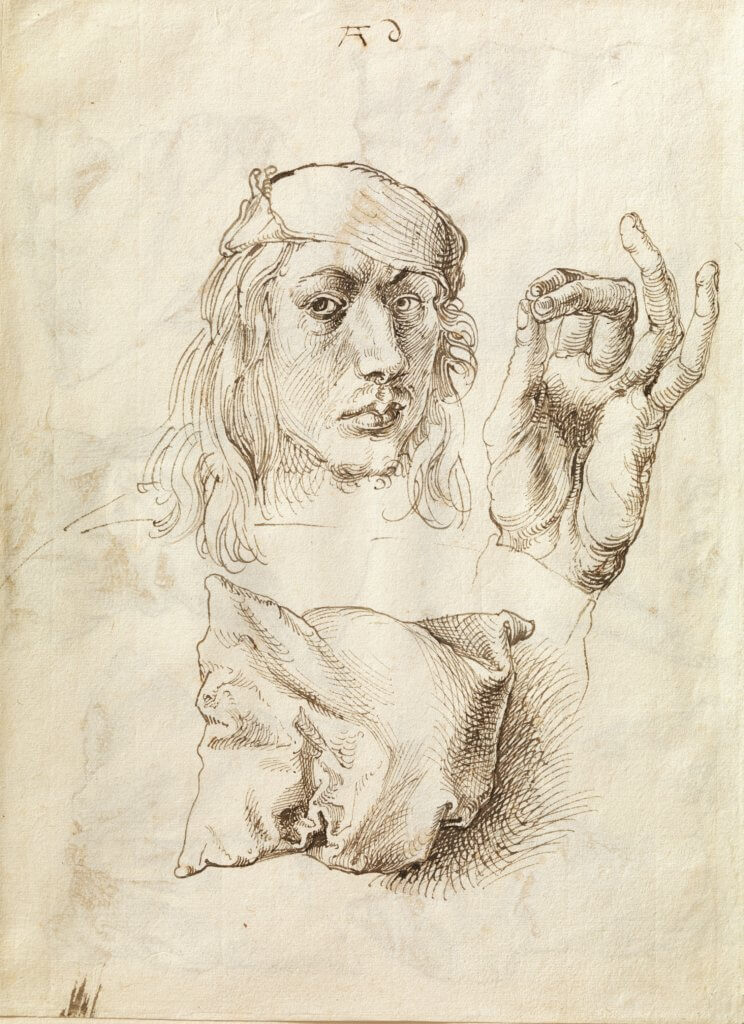
Albrecht Dürer,
Self-portrait, Study of a Hand and a Pillow (recto),1493 / Image courtesy of the Met Museum

Intimate and insightful survey of European drawings from the Renaissance to Early Modernism is on view at the Met Museum on October 4, 2017 – January 7, 2018. The works are selected from the collection of Robert Lehman who spent six decades on building his fast art assemblage with 700 sheets of drawings complementing his father’s collection of paintings.  Leonardo to Matisse show comprises of 4 sections dedicated to Italian Renaissance, Dutch and German drawings from 15th to 17th centuries, the 18th and 19th century works from Italy and France, and ending with Impressionists and Early Modernists.

The exhibition is organized in the chronological progression mirroring the establishment of the medium as a fully developed form of creative expression. It begins with the pieces by Italian Renaissance masters covering the time when the medium of drawing was starting to claim its rights. From sketches and quick studies of compositions and gestures, it had progressed to the finished works prized by patrons and collectors. Giorgio Vasari, a painter, and art-historian who defined our appreciation of the drawing and its foundational place in art was among the first collectors. One of the pieces from his collection by Antonio Pollaiuolo is on view now at the Met. Vasari’s book “Live of the Most Eminent Painters, Sculptors and Architects” first time published in 1550 is still a great source for art-historians and history buffs. Vasari dedicated his book to Grand Duke Cosimo I De’Medici. Medici’s patronage of the arts helped to speed up the Renaissance.
Leonardo to Matisse Met Museum master drawings Robert Lehman collection
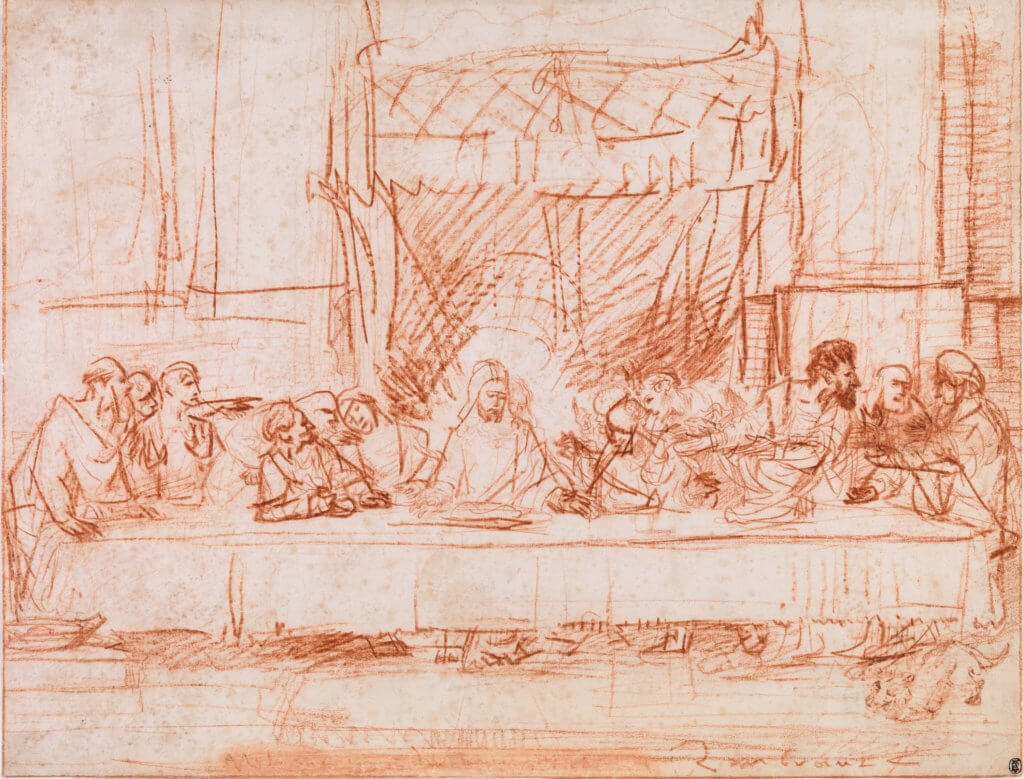
Rembrandt, The Last Supper, after Leonardo da Vinci, 1634–35 / Image courtesy of the Met Museum

An extremely detailed sketch of a bear by Leonardo is an example of the artist’s keen technique and close observation of the world around him. Leonardo kept copious notebooks full of sketches and momentous studies as well as in-depth engineering designs and scientific research. The New Yorker preview of the recently published biography “Leonardo Da Vinci” by W. Isaacson notes a point made by Isaacson about Leonardo’s tendency to rush and abandon his projects. The medium of drawing with its fast pace seems to be an ideal one for someone endlessly on the creative move.

The next section in the exhibition is dedicated to the Northern Europeans from 15th through 17th centuries. From delicate portraits to scenes from everyday life, the works on view are by Jan van Eyck and his circle, Rogier van der Weyden and his workshop with an allegorical scene used as a prep for sculptural work, and a fascinating study by Rembrandt of Leonardo’s Last Supper done in red chalk. German masters are represented by amazing pieces including a self-portrait and highly textured sketches of household items, in this case, pillows by Albrecht Durer.

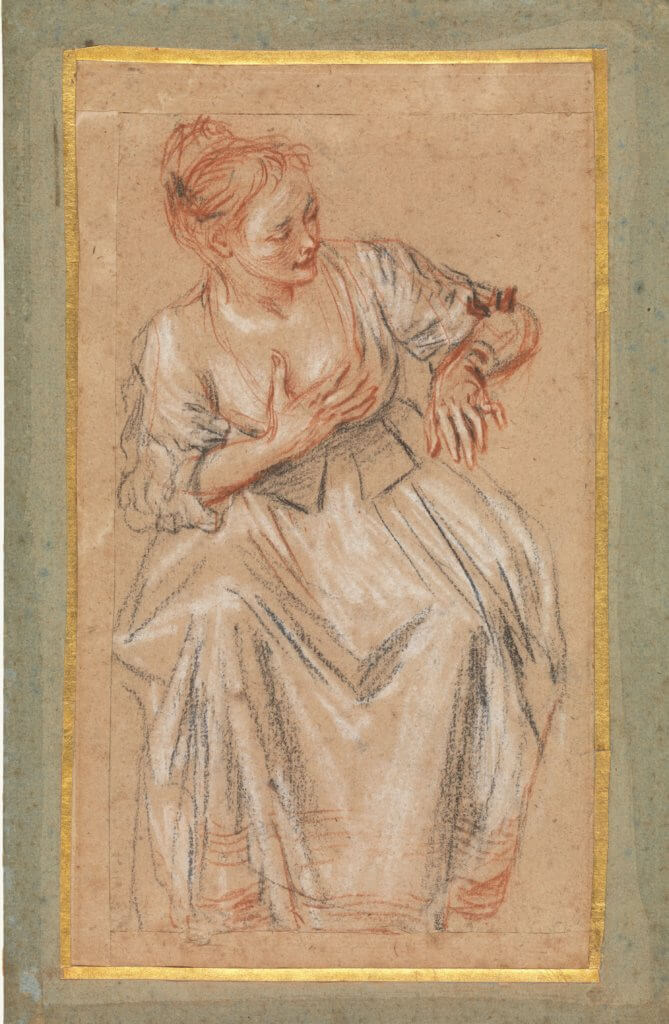
Moving to 18th and 19th century Italian and French works, the show presents fine examples of new highs in using pen, ink, wash and other material to convey the story and emotions. Works by Tiepolo, Giambattista, Goya, Corot, Watteau and Fragonard introduce new techniques and highly refined skills.
Leonardo to Matisse Met Museum master drawings Robert Lehman collection
Antoine Watteau, Seated Woman, 1716–17 / Image courtesy of the Met Museum

The last section is dedicated to the Impressionists and Modernists ranging from Degas to Seurat to Matisse. The drawings on view give a window into artists’ minds letting us see how they developed the subjects of the future paintings. All alone the drawings are taking a deserved place as a form of art with all its power and thought-provoking allure.

The exhibition will delight every art lover!

For museum hours and more click here.

Enjoy your free visit to the Met museum with NewYorkPass!


Venue: The Met Museum on Fifth Avenue       

Time: October 4, 2017 – January 7, 2018
Art in NYC: World War I and the Visual Arts at The Met

Art in NYC: World War I and the Visual Arts at The Met

The horrors of war in the eyes of the witnessing artists

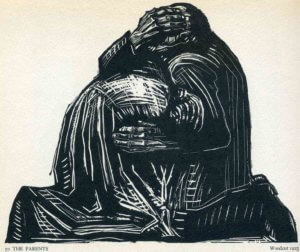
The Parents by Kathe Kollwitz, 1922

This rather small exhibition at The Met, Fifth Avenue museum is guaranteed to leave a strong impression on the viewers. So powerful are the dark images that one hardly brings oneself to see the rest of art splendor at the museum. The sirens of bombardments, the smelly trenches, the victims in pain tell a sad story of war and devastation as it depicted by Kathe Kollwitz, Otto Dix, George Grosz, Gino Severini and many others.

Art in NYC: World War I and the Visual Arts The Met
Plague German by Otto Dix, 1919 / not in the exhibition

The exhibition starts with the patriotic posters issued by each and every country that had participated in the military actions at the time. The mood of the posters is about the same no matter which country they belong. In loud and demanding voices they all were asking their respective compatriots to bravely participate in collective sacrifice to support the honor of the king, or emperor, or kaiser, or sultan. That heroic and brave mood changes to the cries of the wounded and the tears for the dead as the exhibition continues.

The World War I, which started with the assassination of the archduke Franz Ferdinand of Austria in June of 1914, lasted till November, 1918 and had resulted in the death of one million combatants and seven million civilians making it one of the deadliest conflicts in history.

The exhibition opens with the cautious works from 1914-1915 such as lithographs by Natalia Goncharova, graphics by Christopher Nevinson and Gino Severini. While not exactly endorsing the war, in those initial years of the conflict many were looking at it as redemption. As more countries entered the war and more horrors started to fall on the civilians and the soldiers, the patriotic tunes turned to the screams for help.

Art in NYC: World War I and the Visual Arts The Met
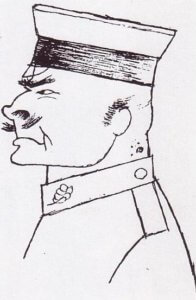
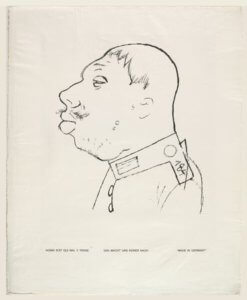
Made in Germany by George Grosz – website of the MOMAPage: http://www.moma.org/collection/browse_results.php / image courtesy of https://en.wikipedia.org/w/index.php?curid=20544655

The last gallery in the exhibition delivers probably the most powerful message begging to remember where the war leads. In that gallery you will find The War (Der Krieg) cycle of 50 etchings by Otto Dix released in 1924 to commemorate the ten-year anniversary of the war start. Dix had volunteered for the German Army in 1914, served for 4 year and was badly wounded. Being profoundly affected by the conflict, his feelings about it changed as the nightmares of destruction continued to hound him for some time.

The same gallery also presents the drawings and prints by George Grosz. A contemporary and friend of Dix, Grosz was also serving in German army at the time of WWI but not with such clear patriotic overtones. His works satirize the high ranks of the military and depict the sorry state of the soldiers.

One of the most potent entries in the show are the lithographs by Kathe Kollwitz. Having experienced firsthand the grieve and pain of the loss of her son in WWI, Kollwitz’s depiction of women in deep mourning are a mighty plea to stop any posturing towards the war. This year as the world celebrates her 150th anniversary, Kollwitz humanistic works condemning the war and oppression can be seen at various exhibitions in London, Berlin and Cologne. An expose on Artnet.com  points out that at each of these shows “there is good, hard art to be discovered”.

As for the show at The Met, its message is particularly relevant today amid the reckless threats and provocations.

New York City Pass

For museum hours and more click here.

Enjoy your free visit to the Met museum with NewYorkPass!


Venue: The Met Museum on Fifth Avenue   


Time: July 31, 2017 – January 7, 2018


Centennial Celebrations: Klimt and Rodin – An Artistic Encounter

Centennial Celebrations: Klimt and Rodin – An Artistic Encounter

A dialog between grand masters on grace, beauty and sensuality 

The year 2017 is rich with the anniversaries. Centennial of the Russian Revolutions (March – November 1917), 150 years of the Alaska Purchase (March, 1867), 500 years since a publication of 95 Theses by Martin Luther that started the Protestant Reformation are just a few to mention. The art world is commemorating centenaries of two great admirers of female beauty, Auguste Rodin who lived until November 17, 1917 and Gustav Klimt, who died shortly after in February, 1918.

Klimt and Rodin artistic encounter at Fine Arts Museum of San Francisco
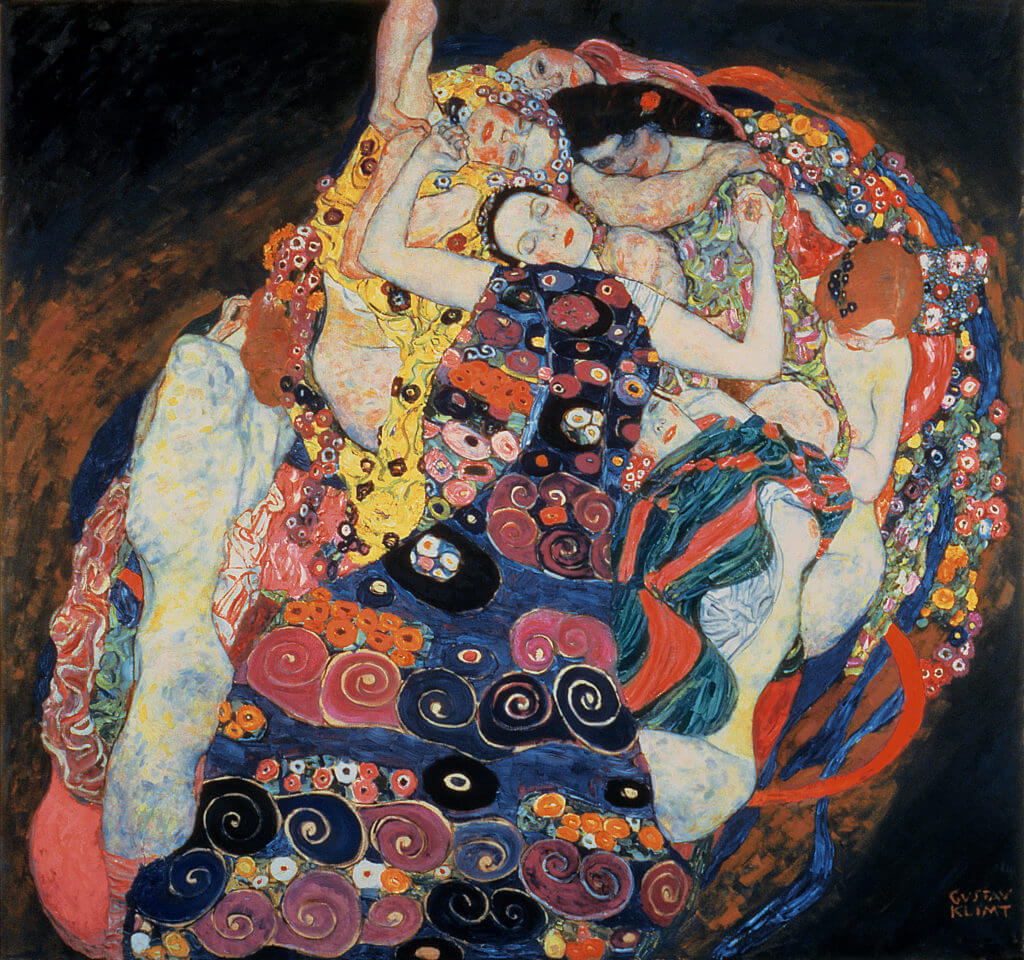
The Maiden, 1913 (oil on canvas) by Klimt, Gustav (1862-1918); 190×200 cm; Narodni Galerie, Prague, Czech Republic; Austrian, out of copyright / Image courtesy of the Fine Arts Museums of San Francisco

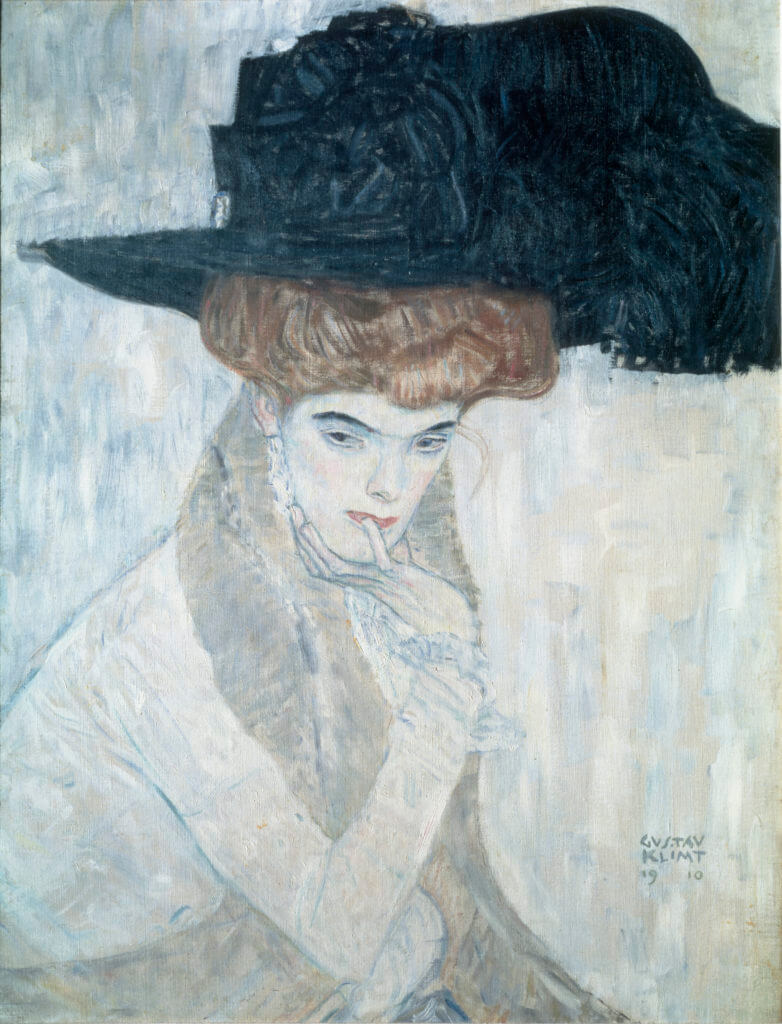
The Fine Arts Museum of San Francisco is mounting an exhibition Klimt & Rodin: An Artistic Encounter which will be  on view in October 14, 2017 – January 28, 2018  to celebrate the centenaries of the grand masters. The show which will be held at the Legion of Honor is marking the first time the works of Klimt will be shown on the West Coast. The Legion of Honor had celebrated Rodin centenary with an installation which had officially ended in April of this year but the works had remained in place and will be jointed by the works of Klimt for an artistic dialog between the masters on their beloved and deeply explored topic of love, beauty and eroticism.

Centennial Celebrations: Klimt and Rodin - An Artistic Encounter
Gustav Klimt, “The Black Feathered Hat (Der Schwarze Federhut,” 1910. Oil on canvas, 79 x 63 cm. Private collection, courtesy of the Neue Galerie, New York / Image Courtesy of the Fine Arts Museums of San Francisco
Klimt and Rodin artistic encounter at Fine Arts Museum of San Francisco
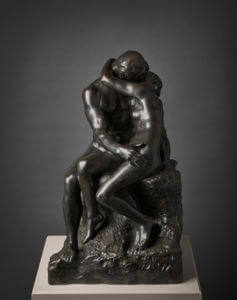
A. Rodin, The Kiss; shot in situ / Image courtesy of the Fine Arts Museums of San Francisco

Auguste Rodin had only one in person meeting with Gustav Klimt when he traveled to Prague via Vienna in 1902. Rodin had accepted an invitation to visit an exhibition of Vienna Secession movement Beethoven Frieze by Klimt. The story of the encounter, as described by The Telegraph art critic, has a confession by Rodin that he had “never before experienced such an atmosphere – your tragic and magnificent Beethoven fresco, your unforgettable, temple-like exhibition, and now this garden, these women, this music.” In the words of art historian Berta Zuckerkandl, Klimt suggested that the reason for all of that is in one word: Austria. That insight had clearly worked for the Modernists and their circle in Vienna. The interplay between art, music and the beauties will be the main object of the exhibition in San Francisco.

If you are not planning to travel to San Francisco, you can still see all major works by Rodin at Rodin Museum in Philadelphia, PA . As for Klimt, Neue Galerie would be your fist stop to see modernists’ masterworks including Klimt’s. The Met has 2 paintings at Gallery 829 and several drawings which are not currently on view. There are also 2 paintings and several drawings at MoMA available to view online.


Venue: Legion of Honors, San Francisco, CA                             Time: October 14, 2017 – January 28, 2018

Nightlife in NYC: Music nights with Mark Berman and Friends

Nightlife in NYC: Music nights with Mark Berman and Friends

Unforgettable music nights with Mark Berman at Pangea Club: Next event is on December 4, 2017

jazz club East Village NYC Pangea piano Mark Berman
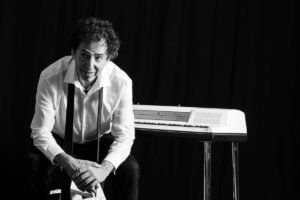
Mark Berman; photo credit Sandrine Lee

Gentle strokes of piano keys, sensible and precise bass section, intimate atmosphere of a downtown music club are what you will find at Pangea on the music nights with Mark Berman. The master at the piano will fill the room with the first-rate jazz that might remind you a dreamy Paris café somewhere close to Sorbonne with the young and the old mixing together for a night of musical delicacies over tasty drinks. The welcoming setting of the club may even inspire you to take a turn at the mic as the night key feature is an open mic in a warm company of friends. Singers who are planning to use sheet music are asked to bring two copies with you for Mark and his friends.

jazz club East Village NYC Pangea piano Mark Berman
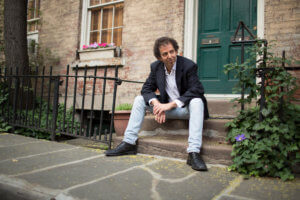
Mark Berman; photo credit Sandrine Lee

Berman, a well-known pianist, composer and arranger, has performed and recorded with who’s who of jazz, pop and rock from Aretha Franklin to Wycliffe Gordon and many others. He has written and produced music for television and film including Sex in the City, Nurse Jackie and more. Berman has also been a powerful presence on Broadway, where he has conducted orchestras for Rent, Smokey Joe’s Cafe and Blood Brothers, and played lead piano/keyboards on Bullets Over Broadway, The Boy from Oz and many other popular plays. He is a graduate of Hartt School of Music.

Pangea, located in the heart of East Village in NYC, is truly a downtown oasis of great music, good food, and tasty drinks.

You can reserve your seats for the night here or pay at the doors.

Venue: Pangea Club, 178 2nd Ave, New York, NY

Dates: First Monday of the month; next event is on December 4, 2017