TŌN, The Orchestra Now comes to New York City with two Sunday concerts at Symphony Space on February 16, 2020 at 4pm and at The Metropolitan Museum of Arts on February 23, 2020 at 2 pm
Leon Botstein Conducts The Orchestra Now at Carnegie Hall; Photo by David DeNee
Following last January’s sold-out concert, TŌN’s resident conductor Zachary Schwartzman returns to Symphony Space with more audience favorites by Ravel, Debussy, Messiaen, and Stravinsky on February 16. The Orchestra’s outstanding and enthusiastic young artists will highlight this free performance with brief remarks about each of the works.
On February 23, TŌN will give the final installment this season of its top-selling Sight & Soundseries at The Metropolitan Museum of Art, Haydn’s The Clock: The Intersection of Art & Technology. The program will explore how musicians, like their contemporaries in art and science, were mesmerized by advancements and pseudo-advancements in science and technology during the second half of the 18th century. While Mozart poked fun at this fascination in Così fan tutte, Haydn drew inspiration from the advances in horology in Vienna and London.
Each presentation in the Sight & Sound series offers a discussion accompanied by musical excerpts performed by The Orchestra Now along with on-screen artworks, followed by a full performance and audience Q&A with conductor Leon Botstein.
Tickets priced at $30–$50; Bring the Kids for $1. All tickets include same-day museum admission. Tickets may be purchased online at metmuseum.org/sightandsound, by calling The Met at 212.570.3949, or at The Great Hall box office at The Metropolitan Museum of Art.
The Metropolitan Opera presents Le Nozze Di Figaro by Mozart in the modernized setting with two exceptional international casts; performances continue in February 2020
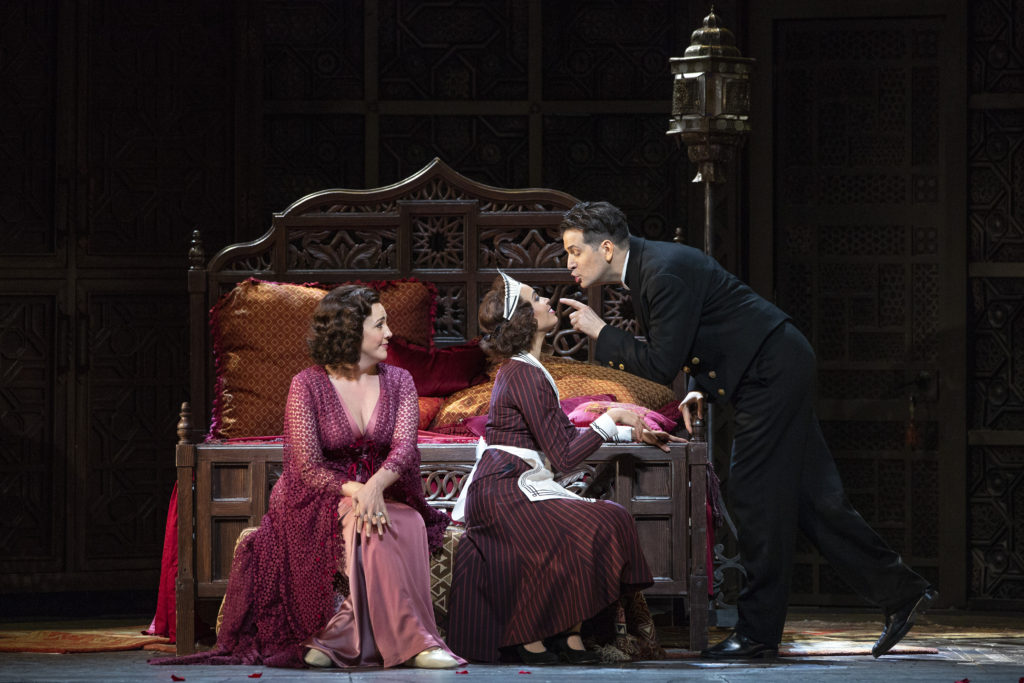
Susanna Phillips as the Countess, Nadine Sierra as Susanna, and Luca Pisaroni as Figaro in Mozart’s “Le Nozze di Figaro.” Photo: Marty Sohl / Met Opera
A cornerstone of any opera house’s repertoire, Mozart’s Le Nozze Di Figaro is presented by the MetOpera in Sir Richard Eyre’s dynamic production with two exceptional casts. In the Fall 2019 sopranos Nadine Sierra and Susanna Phillips; mezzo-soprano Gaëlle Arquez; baritone Mariusz Kwiecien; and bass-baritones Luca Pisaroni and Adam Plachetka sing. Sopranos Anita Hartig and Hanna-Elisabeth Müller; mezzo-soprano Marianne Crevasse; and bass-baritone Mariusz Kwiecien take the charge in February 2020.
Premiered at the Met in the 2014-2015 season, the current production transposes the action from the late 18th century Spain to an elegant villa of the 1930s. Cleverly employing the rotating stage for the fast change of the decor and uninterrupted action when moving from scene to scene, the creators and the cast present a highly entertaining and instructive storyline about the virtues of love, decency, loyalty, and the vice of jealousy. The orchestral fluidity under the baton of Antonella Manacorda, sets the pace.
The libretto for the opera was written by Mozart’s favored collaborator Lorenzo Da Ponte. Da Ponte adapted a popular play La Folle Journée, ou Le Mariage de Figaro by Beaumarchais for his libretto which he completed even before Mozart started writing music for the opera. Ingeniously sequencing the comic scenes with hidings and cross-dressings, Beaumarchais’s play denounces the feudal rules and highlights the wits and smarts of the lower classes. According to Beaumarchais’s contemporaries, the play foreshadowed the French Revolution.
At the MetOpera, Le Nozze’s magical music and catchy arias are delivered by the incredible cast with confidence and mastery. Luca Pisaroni as Figaro sings with grace and warmth and is perfectly attuned to the velvety palette of Nadine Serra’s voice as Susanna. The beauty of the duets and the ensemble arias are well-matched by the orchestral work while the comic scenes and the moments of tension are skillfully calibrated and are presented with vitality and affection.
Enjoy the vibrant production of the timeless masterpiece by Mozart and Da Ponte.
The opera’s run time is 3 hours and 30 minutes with one intermission; sung in Italian with the subtitles.
Jazz Standard club presents Vijay Iyer Solo and with his Trio from January 29 – February 1, 2020
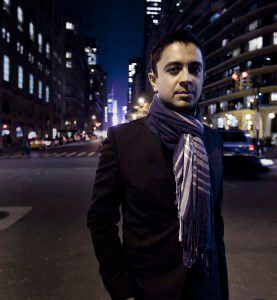
Vijay Iyer; photo credit Jimmy Katz
Vijay Iyer, MacArthur “Genius”, comes to the venerable club Jazz Standard in midtown Manhattan for a series of performances with his trio and in the solo shows. Iyer, a powerful pianist, composer, and bandleader, holds a very special place among the contemporary jazz musicians. The critics note the potency and “physicality” of his music as described by The Guardian.
Both of his groups – the Trio and the Sextet – are well known to the music fans. In this engagement, the Trio will surely not disappoint the lucky audience. Performances by Iyer and his musicians are intense and are calling for deep concentration with little time for introductions and time taking reminiscence of the origins of the compositions. Hold your breath, immerse yourself in the sound and enjoy every second of the music! BUY TICKETS
Tchaikovsky’s celebrated music combined with the reimagined dark fairy-tale in the powerful performance by Matthew Bourne’s New Adventures company is playing until February 9, 2020 at New York City Center
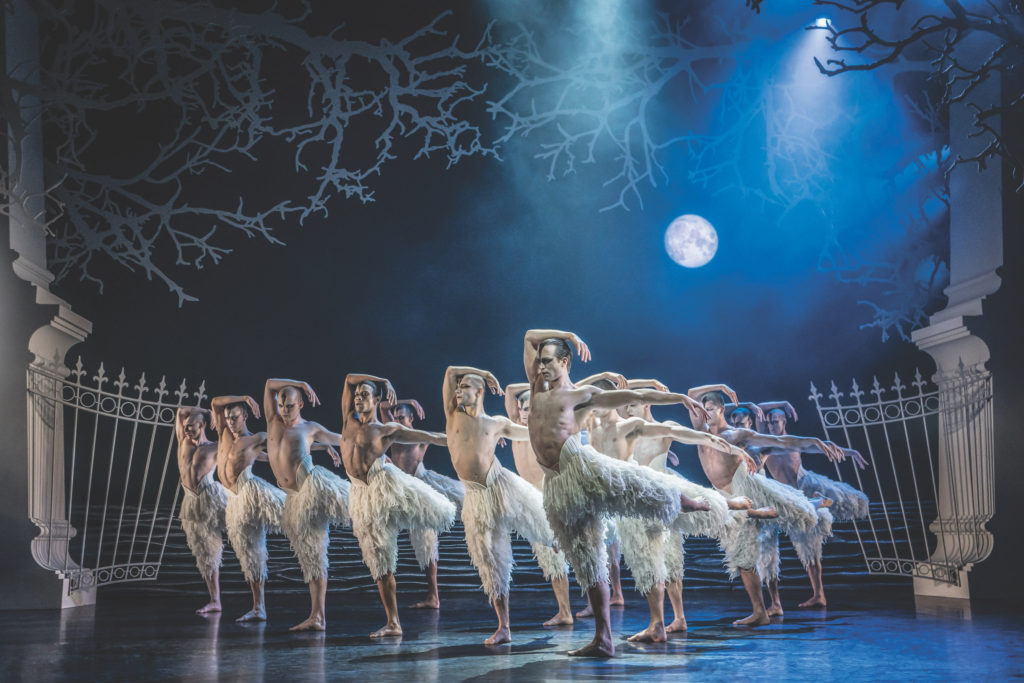
SWAN LAKE by Bourne, 2018, Plymouth, Royal Theatre Plymouth/ Photo Credit: Johan Persson
Director Matthew Bourne’s reimagined centuries-old fairy-tale set to the timeless music by Tchaikovsky dazzles, entertains, and shocks with the audience eagerly responding to each cue extended by the dancers. Created for the New Adventure company in 1995, Bourne’s libretto combines recognizable classical themes with not so subtle references to the public obsession with Windsor royals and the old-society members’ struggle with finding their place in the modern life. From the vantage point of 2020 viewer, the story turns from an entertaining account into a complex psychological drama of mother/son relations, suppressed self-realization, and the burden of traditions.
However, there is an interesting twist to the narrative. The original tale put to music by Tchaikovsky and Swan Lake ballet’s first choreographer J. Reisigner believed to reference the life of Bavarian King Ludwig II. When visiting Schwansee in his childhood, Ludwig II was preoccupied with the swans, was emotionally weak and deemed insane later in life. He was renowned for building bigger than life castles such as Neuschwanstein. It is conceivable that King’s life inspired Prince Siegfried’s character in Swan Lake. Watching Bourne’s interpretation, it is easy to find several parallels to Ludwig’s story in the libretto.
The production is universally known for its replacement of the gentle and tense female swan ensemble with the muscular, forceful, and vindictive flock of all-male dancers. Accentuated by the strong wings and loud hissing sound, their power and domination over feeble and thickly prince is in full swing in Act II and III. Yet, with all their wild freedom, even the swans are unable to accept and accommodate the outsider in their ranks. It’s a grim reminder of the stronghold of prejudice and a drive to preserve the homogeny.
The ballet has everything from puns and jokes to the touching despair and frightening indifference of those around us. For this run, the production was skillfully updated with a rather streamlined soundtrack in place of the live orchestra among other changes. Recognized as the longest-running dance show, the plot still has its potency and bitterness. The cast delivers its lines with the grace and power expected from the renown company. The thought-provoking spectacle is playing at New York City Center until February 9, 2020.